Barcode Scanner and Headset Upgrades for Retail in 2026
Retailers and contact centers planning their 2026 equipment budgets keep running into the same two bottlenecks: checkout counters that slow down during busy hours, and customer-service agents struggling with audio quality on long call shifts. A hands-free barcode scanner for retail checkout and a properly fitted call-center headset sound like unrelated purchases, but both share a common thread — they are the daily tools frontline staff touch hundreds of times a shift, and worn-out or poorly chosen hardware quietly drags down performance across an entire team.
Equipment refresh cycles used to be an afterthought, scheduled only when something broke. In 2026, operations managers are treating hardware refreshes as a planned productivity investment instead, because the data on throughput and call-handling time now clearly supports it.
The Checkout Counter Bottleneck Nobody Budgets For
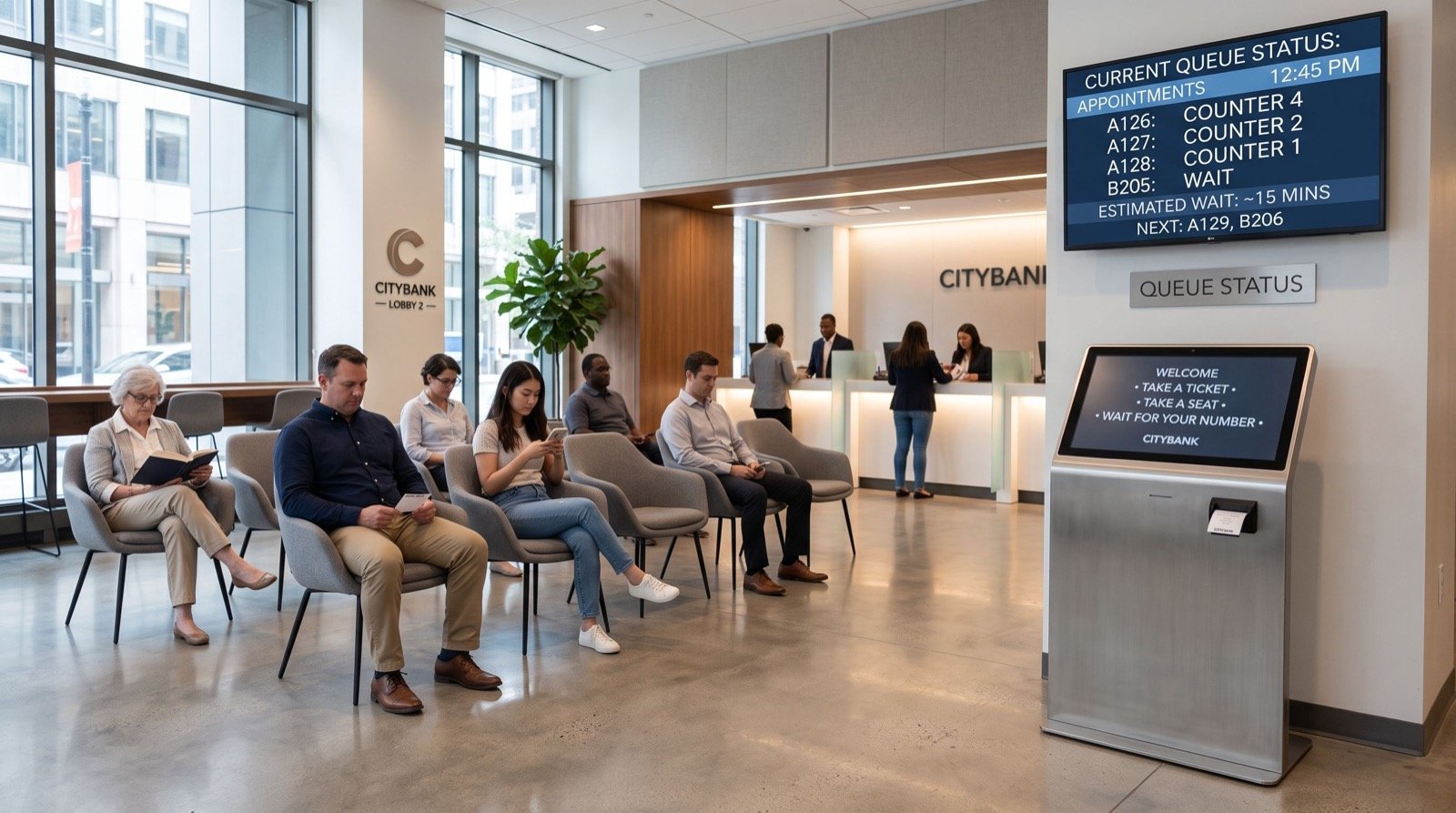
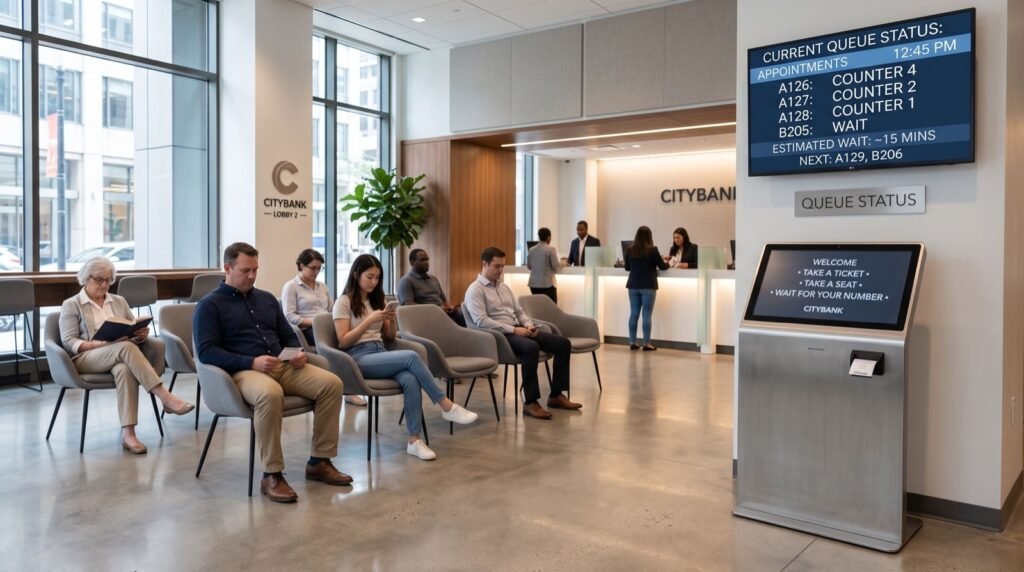
A slow or inconsistent barcode scanner costs a store far more than its sticker price suggests. Every failed scan means a cashier re-angles the item, tries again, or manually types a SKU — each a few extra seconds that add up across hundreds of daily transactions. During a lunch-hour rush or a weekend sale, that lag turns into a visible line out the door.
Presentation-style scanners that read barcodes automatically as items pass by, without requiring the cashier to aim and trigger manually, solve this in high-volume lanes. A reliable Honeywell Orbit HF680 handles fast omnidirectional scanning at the counter, reading barcodes at odd angles and on curved packaging that trips up older single-line scanners, which is exactly the kind of edge case that slows down a busy grocery or convenience checkout.
Why Does Scanner Quality Matter More in 2026 Than It Used to?
Packaging has gotten more complex — curved bottles, shrink-wrapped multipacks, and matte finishes that scatter light differently than the simple flat labels scanners were originally designed for. Older hardware simply was not built to read today’s packaging variety reliably, which is why many retailers doing a 2026 refresh are seeing bigger throughput gains than they expected from “just” replacing a scanner.
The Other Half of the Equation: Contact Center Headsets
While checkout speed matters on the sales floor, customer retention often lives or dies in the contact center, and audio quality is the single biggest factor in agent fatigue and call clarity. Agents wearing uncomfortable or low-quality headsets for eight-hour shifts report higher fatigue, more repeated “can you say that again” moments, and measurably lower customer satisfaction scores by the end of a shift compared to teams using properly fitted professional headsets.
A well-built Addasound Epic 301 headset gives agents noise-cancelling clarity on both ends of the call, which matters enormously in open-plan contact centers where dozens of agents are talking at once in the background.
Comparing Equipment Priorities by Department
| Department | Primary Hardware | Main Failure Point of Old Equipment | 2026 Upgrade Benefit |
|---|---|---|---|
| Retail checkout | Presentation barcode scanner | Failed scans on curved/matte packaging | Faster lanes, shorter peak-hour lines |
| Contact center | Noise-cancelling headset | Background noise bleed, agent fatigue | Clearer calls, lower agent turnover |
| Warehouse/back office | Rugged handheld scanner | Drop damage, slow battery life | Fewer replacement cycles |
Building a Smarter Equipment Refresh Plan
Rather than replacing hardware reactively when it fails, operations teams are moving toward a planned refresh cycle. A practical approach includes:
- Track scan failure rates and call-quality complaints as real metrics, not anecdotes from frustrated staff.
- Pilot new scanner or headset models at one location or team before a full rollout.
- Standardize on one or two approved models per role to simplify spare-parts stocking.
- Set a replacement schedule based on usage hours, not just visible damage.
- Involve frontline staff in testing, since comfort and fit affect adoption as much as raw specs.
Finding Equipment Partners Who Understand Frontline Operations
Buying hardware from a generic electronics distributor often means no real support when a batch of units fails early or a firmware update is needed. Retail and contact-center operations managers planning a 2026 refresh have had better results working with trusted professionals who understand how this equipment performs under real daily frontline use, not just on a spec sheet.
Measuring the Real Return on an Equipment Refresh
Finance teams approving a hardware budget usually want more than “staff like the new equipment better” as justification. The most convincing numbers come from before-and-after comparisons: average transaction time per lane before and after a scanner swap, or average handle time and call-back rate per agent before and after a headset upgrade.
Stores that tracked this data closely found that a presentation scanner upgrade on just two or three of their busiest lanes often paid for itself within a single peak season, simply from the extra transactions those lanes could process during the hours that matter most for weekly revenue.
Training Staff on New Hardware Without Losing Productivity
A common mistake is assuming new hardware is intuitive enough to skip training entirely. Even a well-designed presentation scanner behaves differently from the handheld unit a cashier is used to, and a few minutes of hands-on practice before launch day prevents the frustrated fumbling that otherwise happens in front of customers during the first week.
The same applies to headsets. Noise-cancelling microphones often require agents to adjust how closely they position the mic, and skipping this short adjustment period leads to avoidable complaints about muffled audio that have nothing to do with the hardware’s actual quality.
Frequently Asked Questions
How often should retail stores replace barcode scanners?
Most high-volume stores see three to five years of reliable service from quality presentation scanners, though usage intensity and packaging mix can shorten or extend that window considerably.
Does a better headset actually reduce contact center agent turnover?
Comfort and audio clarity are consistently cited by agents as top daily frustrations in exit interviews, so while a headset alone will not fix every retention issue, it removes one recurring source of daily stress.
What is the difference between a presentation scanner and a handheld scanner?
A presentation scanner sits on the counter and reads barcodes automatically as items pass in front of it, while a handheld unit requires the cashier to aim and trigger each scan manually, which is slower for high-volume checkout but more flexible for oversized or loose items.
Is it worth upgrading scanners and headsets at the same time, or separately?
Budget and staffing constraints often force a phased rollout, but teams that plan both upgrades together tend to negotiate better bundled pricing and avoid running two separate disruption periods for staff training.
Final Thoughts
The equipment frontline staff use every single day — the barcode scanner at checkout, the headset in the contact center — rarely gets the budget attention it deserves until something breaks in the middle of a busy shift. Retailers and service operators who treat these as planned 2026 productivity investments, rather than reactive replacements, are seeing measurable gains in both throughput and staff retention.