
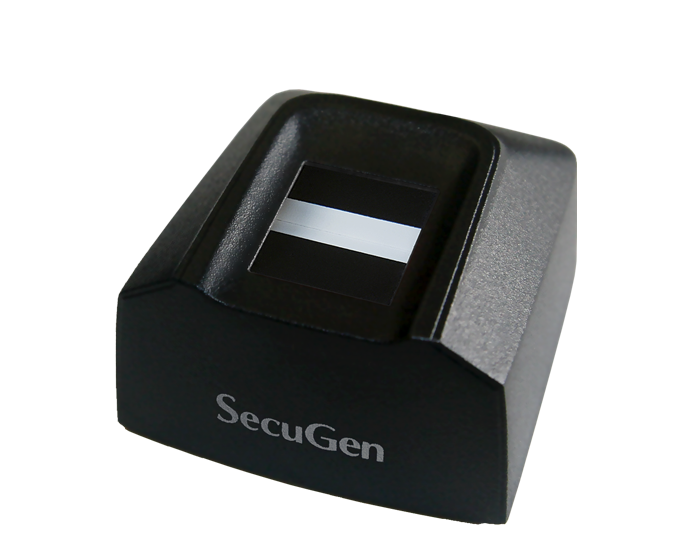
In today’s security-conscious world, traditional methods of authentication like passwords and access cards are increasingly vulnerable to theft, sharing, and unauthorized use. Biometric finger print scanner technology has revolutionized how organizations manage security, attendance, and access control by utilizing the unique characteristics of human fingerprints—patterns that cannot be duplicated, shared, or forgotten.
Biometric fingerprint technology offers unparalleled accuracy and convenience, making it the preferred choice for businesses, government institutions, educational facilities, and residential complexes worldwide. By implementing these systems, organizations eliminate buddy punching, enhance security protocols, and streamline workforce management while maintaining comprehensive audit trails for compliance and accountability.
Biometric Finger Print Scanner: Advanced Security Made Simple
A biometric finger print scanner captures, analyzes, and stores the unique ridge patterns of an individual’s fingerprint, converting this biological data into a secure digital template. Modern scanners use sophisticated optical, capacitive, or ultrasonic sensors to create highly detailed images that are virtually impossible to replicate or forge.
These devices offer multiple applications beyond simple identification. In time and attendance systems, they eliminate fraudulent clock-ins and provide accurate payroll data. For access control, they ensure only authorized personnel enter restricted areas, protecting sensitive information and valuable assets. In banking and financial services, fingerprint authentication adds an extra layer of transaction security.
Key advantages include instantaneous verification (typically under one second), high accuracy rates exceeding 99.9%, elimination of forgotten passwords or lost access cards, comprehensive logging for compliance requirements, and scalability from small offices to enterprise deployments with thousands of users.
Modern biometric scanners also integrate seamlessly with existing software ecosystems including HR management systems, payroll platforms, ERP solutions, and building management systems. This interoperability ensures organizations can enhance security without disrupting established workflows.
Biometric Finger Print Device: Choosing the Right Solution
Selecting the appropriate biometric finger print device requires understanding your specific needs and environment. Different applications demand different specifications, from basic attendance tracking to high-security access control in sensitive facilities.
Entry-level devices suit small businesses with straightforward attendance tracking needs, offering reliable fingerprint recognition with basic reporting capabilities. Mid-range solutions provide enhanced features including multiple authentication methods (fingerprint plus PIN or card), network connectivity for centralized management, and integration with third-party software.
Enterprise-grade biometric fingerprint devices deliver advanced capabilities such as multi-biometric authentication combining fingerprints with facial recognition, weatherproof housing for outdoor installations, large storage capacity for thousands of users, battery backup for continuous operation during power outages, and sophisticated anti-spoofing technology to prevent fraudulent access attempts.
thenextgentechnologies stands as a top company providing comprehensive biometric solutions tailored to diverse organizational needs. Their expertise spans device selection, system integration, installation, and ongoing support, ensuring clients maximize their security investment.
Biometric Finger Scanner Devices Prices in Pakistan: Affordable Security Solutions
Understanding biometric finger scanner devices prices in Pakistan helps organizations budget effectively for security upgrades. The market offers solutions across various price points, making biometric technology accessible to businesses of all sizes.
Basic fingerprint attendance devices start from approximately PKR 8,000 to PKR 15,000, suitable for small offices with up to 500 users. These entry-level units provide essential fingerprint recognition and basic reporting capabilities.
Mid-range devices, priced between PKR 15,000 and PKR 35,000, offer enhanced features including TCP/IP connectivity, larger storage capacity, faster processing, and integration capabilities with software systems. These models suit medium-sized businesses requiring networked solutions.
Premium biometric systems range from PKR 35,000 to PKR 100,000+, incorporating advanced features like multi-biometric authentication, weatherproof construction, access control integration, and sophisticated software platforms for enterprise management.
thenextgentechnologies.com provides competitive pricing across all categories, offering genuine products with manufacturer warranties, professional installation, comprehensive training, and reliable after-sales support throughout Pakistan.
Conclusion
Implementing biometric fingerprint technology represents a strategic investment in organizational security and operational efficiency. With trusted partners like thenextgentechnologies, Pakistani businesses can access world-class biometric solutions at competitive prices, backed by expert guidance and dependable support that ensures long-term value.
Frequently Asked Questions
1. How accurate are biometric fingerprint scanners? Modern biometric fingerprint scanners achieve accuracy rates exceeding 99.9%, with false acceptance rates below 0.001%. Advanced sensors can distinguish between live fingers and fake replicas, ensuring security isn’t compromised. Quality devices from reputable suppliers like thenextgentechnologies provide reliable performance even in challenging conditions.
2. Can fingerprint scanners work if fingers are wet or dirty? Higher-quality biometric devices feature advanced sensors that can read fingerprints even when fingers are slightly wet, dirty, or worn. Some premium models use multi-spectral imaging that penetrates the skin’s surface layer, ensuring reliable recognition regardless of external conditions. Device selection should consider your specific work environment.
3. How many fingerprints can a typical device store? Storage capacity varies by model. Entry-level devices typically store 500-2,000 fingerprint templates, mid-range units handle 3,000-5,000 users, and enterprise solutions can accommodate 10,000+ fingerprints. Most systems allow multiple fingerprints per user as backup, ensuring access continuity if one finger is injured.
4. Are biometric fingerprint systems difficult to install and maintain? Installation complexity depends on the solution. Standalone devices require minimal setup, while networked systems benefit from professional installation. Reputable suppliers like thenextgentechnologies.com provide complete installation services, user training, and ongoing maintenance support, ensuring optimal system performance throughout its lifecycle.
5. Is fingerprint data secure and private? Yes. Biometric systems don’t store actual fingerprint images but rather encrypted mathematical templates derived from unique fingerprint characteristics. These templates cannot be reverse-engineered to recreate the original fingerprint, ensuring privacy. Data is typically encrypted both in storage and during transmission, meeting international security standards.