
Almost every dog owner knows what they should be doing about the yard. Clean it regularly, stay ahead of the buildup, keep the space healthy. Knowing is not the problem. The problem is that cleanup is a low-reward chore that is astonishingly easy to postpone, and one skipped day becomes three, and three becomes a yard you actively avoid looking at. The gap between intention and action is where every messy yard is born.
The fix is not more willpower, it is a system. Habits beat motivation every time, because a real habit runs on autopilot and does not require you to feel like doing it. This article is about building a dog-waste routine that sticks, using the same behavioral principles that make any small daily task automatic instead of a constant negotiation with yourself.
Why Good Intentions Fail
Cleanup fails as a task because it has all the wrong properties for motivation. It is unpleasant, the reward is invisible, and skipping it once has no immediate consequence. Your brain is wired to discount tasks like that, so on any given day it is easy to decide tomorrow is fine. The trouble is that tomorrow makes the same decision, and the waste compounds while your good intentions stay perfectly intact.
Understanding this is liberating. You are not lazy or irresponsible, you are dealing with a task that is structurally hard to stay motivated for. That means the solution is structural too, not a matter of trying harder.
Anchor the Habit to an Existing Routine
The most reliable way to build a new habit is to attach it to one you already have. This is called habit stacking, and it works because the existing routine becomes the trigger. Decide that you clean the yard right after the morning coffee, or immediately when you get home from work, or every evening when you let the dog out for its last trip. The established action pulls the new one along behind it.
The key is specificity. Not somewhere in the day, but pinned to a concrete existing moment. A habit with a clear trigger fires reliably, while a vague intention to do it later almost never does.
Make the Task Frictionless
Every bit of friction between you and a task is an excuse waiting to happen. If your tool is buried in the garage, if the bags are somewhere in the house, if you have to bend and strain to do the job, your brain will find a reason to skip it. Removing friction is the single most effective way to make a habit stick.
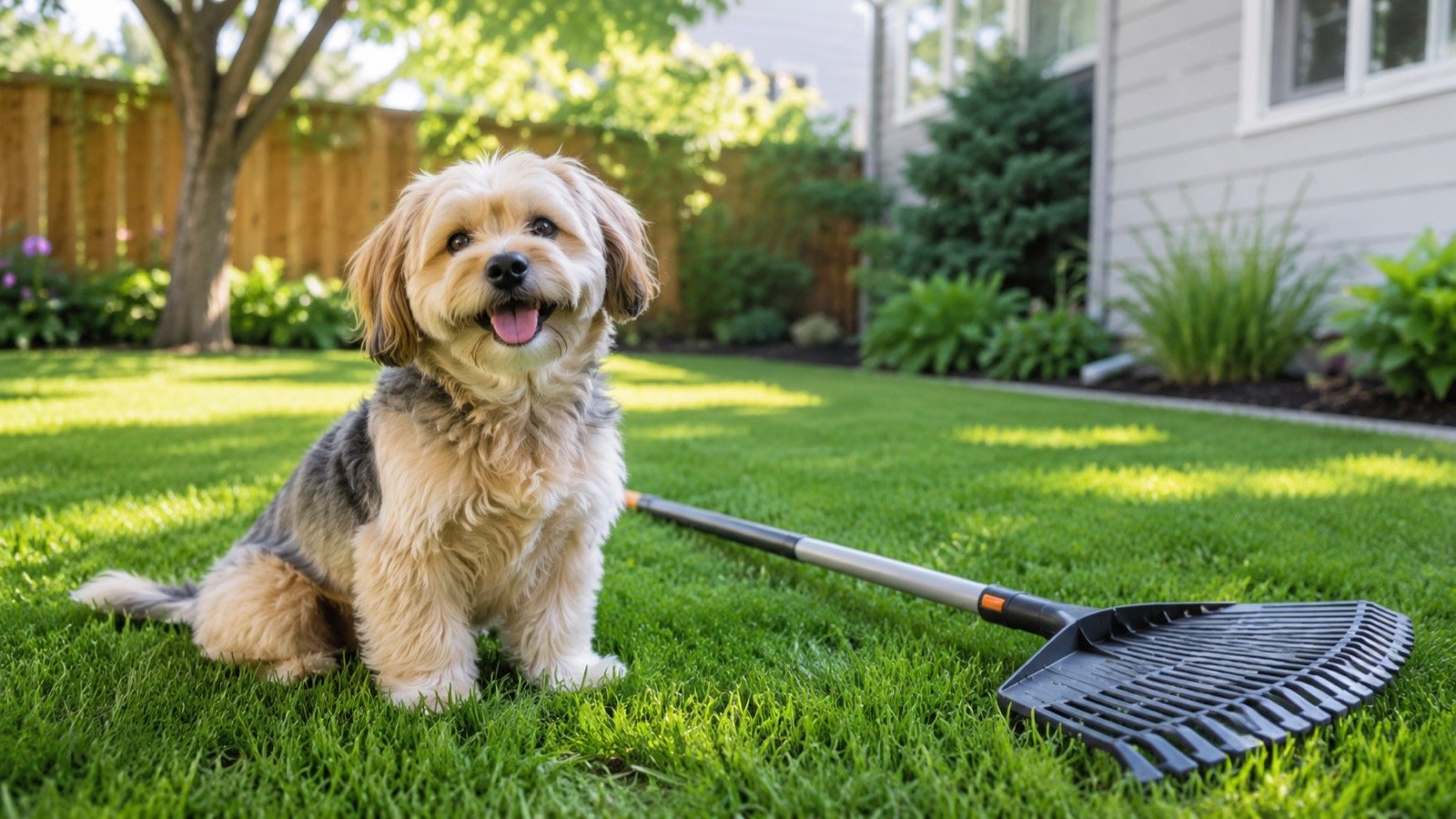
Keep your gear staged and ready by the door. Choose a comfortable long-handled tool so the job never hurts your back and become a physical deterrent. A good Pooper scooper stored where you actually use it removes two excuses at once, the effort and the retrieval.
Start Small and Build
People sabotage new habits by starting too ambitious. A grand plan to deep-clean the entire yard every day collapses within a week. A tiny commitment, clear just the obvious deposits, takes two minutes and actually gets done, and a habit that gets done is infinitely better than an ideal one that does not. Consistency at a small scale beats intensity that burns out.
Once the small version is automatic, it grows on its own. A two-minute daily pass naturally keeps the yard clean enough that it never needs the dreaded hours-long overhaul, which is the whole point.
Track It and Make It Visible
What gets measured gets done. A simple streak, a mark on a calendar or a note on your phone each day you clean, taps into the same motivation that makes people protect a running streak in any app. Nobody wants to break a chain they have built, and that small visual cue is often enough to get you outside on a day you would otherwise skip.
Visibility works in the yard too. When the space is clean, keeping it clean feels natural, whereas a messy yard invites more neglect. The clean state itself becomes a cue that reinforces the habit, so the first thorough reset pays dividends every day after.
Plan for the Bad Days
No habit survives if a single miss destroys it. The rule that keeps routines alive is never miss twice. You will occasionally skip a day, that is human, and it is fine. The danger is letting one miss become the end of the streak in your mind. Just do it the next day and the habit survives intact.
Build in a small buffer of supplies so a missed shopping trip never becomes a missed cleanup. Keep spare bags and know your reliable source, whether that is a store or ordering a fresh Pooper scooper and bags online before you run out. Preparation is what carries a habit through the inevitable rough patches.
Know When to Get Help
Sometimes the honest answer is that your life will not accommodate a daily routine right now, and forcing it just breeds guilt. During those stretches, outsourcing is the smart move rather than letting the yard collapse. Scheduling trusted professionals for regular sanitation keeps the space healthy while you focus on whatever has your attention.
There is no failure in this. Many owners run a hybrid system, light daily upkeep when they can and professional resets when life gets busy. The goal is a clean, healthy yard, and any combination that achieves it reliably is the right one.
Key Takeaways
- Cleanup fails on motivation because the reward is invisible and skipping has no immediate cost.
- Anchor the habit to an existing daily routine to give it a reliable trigger.
- Remove friction by keeping ready-to-use gear staged where you actually clean.
- Start with a tiny two-minute commitment and let it grow rather than overreaching.
- Track a streak, never miss twice, and outsource during genuinely busy stretches.
From Chore to Autopilot
A clean yard is not a matter of being a more disciplined person, it is a matter of building a system that does not depend on discipline in the first place. Anchor the task, strip out the friction, start small, and protect the streak, and within a few weeks the cleanup you used to dread becomes something you barely think about. That is the goal, not heroic effort but quiet automatic consistency, and it is the only thing that keeps a yard clean over the long run.